
There’s something truly comforting about the buttery, melt-in-your-mouth simplicity of my Homemade Shortbread Cookies Recipe. This treat isn’t just a cookie; it’s like a warm hug straight from the oven, perfect for pairing with your afternoon tea or sharing with friends on a cozy afternoon.

Jump to:
Why You'll Love This Recipe
I’ve tried a lot of shortbread recipes over the years but this one truly stands out for its perfect balance of texture and flavor. The cookies are buttery without being greasy, tender but not crumbly, and have that slight crunch on top from a final sugar sprinkle that just takes them over the edge.
- Perfect Texture: This recipe hits that ideal shortbread texture — tender and buttery, yet holds together beautifully.
- Simple Ingredients: Nothing fancy here, just pantry staples that come together in a breeze.
- Customizable: You can easily add your own twists like citrus zest or dipped edges to make them your own.
- Great for Sharing: These cookies keep well and travel perfectly, making them a go-to gift or party favorite.

Ingredients & Why They Work
Each ingredient in this Homemade Shortbread Cookies Recipe plays a specific role that builds that classic delicate crumb and rich buttery flavor you expect from great shortbread.

- Salted Butter: Using softened salted butter gives the dough moisture and richness, plus a subtle salty counterpoint that enhances sweetness. I prefer European-style butter like Kerrygold for its higher fat content.
- Granulated Sugar: This sweetens the dough and helps create a lightly crisp exterior, especially when sprinkled on top before baking.
- Vanilla Bean Paste or Extract: A little vanilla goes a long way in boosting the cookie’s flavor complexity. I love vanilla bean paste because those little specks feel fancy and real.
- All-Purpose Flour: The sturdy base of any shortbread. Spoon-and-level your flour to keep the dough from becoming too dense.
- Powdered Sugar: This adds a tender, melt-in-your-mouth quality to the cookies that’s different from granulated sugar.
- Cornstarch: A secret weapon in shortbread recipes—cornstarch softens the flour’s gluten and creates that signature crumbly texture.
- Salt: Just a pinch to balance all the sweetness and bring out the butter’s flavor. If you use unsalted butter, remember to add a bit more.
Make It Your Way
One of the best things about this Homemade Shortbread Cookies Recipe is how easy it is to make it your own. I've had so much fun experimenting with flavors and toppings—and I encourage you to too!
- Lemon Zest Variation: Adding a teaspoon of fresh lemon zest to the dough brightens the flavor beautifully. I love this twist in springtime, especially with a dusting of powdered sugar on top.
- Chocolate Dip: After baking and cooling, dip half the cookie in melted dark chocolate. It adds a rich contrast and makes these perfect for gifting.
- Herb Infusion: Mixing in a tablespoon of finely chopped fresh rosemary or lavender lends a savory note that pairs wonderfully with tea.
- Salted Caramel Topping: Drizzle warm caramel and a sprinkle of sea salt over cooled shortbread for an indulgent upgrade.
Step-by-Step: How I Make Homemade Shortbread Cookies Recipe
Step 1: Cream Your Butter and Sugar
Start by softening your salted butter so it’s nice and creamy but not melted. I let mine sit out at room temp for about an hour before mixing. Then, beat together the butter, granulated sugar, and vanilla bean paste for about 2 minutes. You want the mixture light and fluffy—this helps create a tender texture. Don’t forget to scrape the sides of your bowl halfway through so everything blends evenly.
Step 2: Combine the Dry Ingredients
In a separate bowl, whisk together all-purpose flour, powdered sugar, cornstarch, and salt. Whisking helps distribute everything evenly, which is really key in shortbread since the dough is so simple.
Step 3: Mix Dry Ingredients Into Butter Mixture
Add the flour mixture to the butter mixture in three batches, mixing just until everything is incorporated after each addition. The dough will seem crumbly but don’t worry—that’s exactly what you want. Overmixing here leads to tough cookies, so be gentle!
Step 4: Press and Chill Your Dough
Transfer the crumbly dough to a parchment-lined 9×13-inch baking pan, then press it firmly and evenly across the bottom. I use the bottom of a glass or measuring cup to get a smooth, compact layer. Don’t skip pricking the dough with a fork all over—this little step lets steam escape so your shortbread won’t puff up and form bubbles while baking. Chill for 30 minutes, which helps the dough relax and prevents spreading in the oven.
Step 5: Bake and Finish
Preheat your oven to 325°F while the dough chills. Bake for 40 to 45 minutes until the edges just start to turn a soft golden brown. Right out of the oven, sprinkle granulated sugar evenly on top—this adds that perfect crunchy sparkle when the shortbread cools. Let it cool on a wire rack, then carefully cut into squares while still warm. Patience here pays off; shortbread can be delicate and breaks if you slice it too hard.
Top Tip
I’ve learned a few tricks over the years that make all the difference when I'm baking shortbread. These tips will help you get that gorgeous texture and flavor every time.
- Use European-style Butter: It has higher fat content which makes your shortbread richer and more tender. I always reach for Kerrygold when I can.
- Don't Overmix: After adding the flour, mix just until combined—overworking the dough activates gluten and toughens your cookies.
- Press Dough Firmly & Evenly: A uniform thickness ensures even baking. I gently use a glass bottom to avoid uneven edges.
- Score Before Baking Option: You can lightly score the dough surface with a knife before chilling to make cutting after baking much easier.
How to Serve Homemade Shortbread Cookies Recipe

Garnishes
I usually keep garnishes simple to let the buttery flavor shine. A sprinkle of granulated sugar right out of the oven gives a beautiful sparkle and subtle crunch. Sometimes, I brush the cooled cookies with a little melted chocolate and add chopped nuts for texture—I love that extra touch for special occasions.
Side Dishes
These shortbread cookies are perfect alongside a cup of Earl Grey tea, a latte, or even a dollop of homemade lemon curd or berry jam. I like pairing them with a fruit tart or fresh berries for a light afternoon treat.
Creative Ways to Present
For gatherings, I sometimes stack the cookies wrapped with twine and tuck in sprigs of fresh rosemary or dried lavender for a rustic look. Another fun idea is to dip half the cookies in white or dark chocolate and arrange them on a pretty platter with edible flowers or candied citrus peel—always a crowd-pleaser!
Make Ahead and Storage
Storing Leftovers
I store leftover shortbread in an airtight container at room temperature and they stay fresh for up to a week. Keeping them away from moisture is key, or they can soften too much and lose that classic crumbly texture.
Freezing
Shortbread freezes beautifully! I like to cut it into squares first, then layer pieces between parchment paper in a freezer-safe container. They keep for up to three months. When you're ready to enjoy, just thaw them at room temperature for about an hour.
Reheating
If you want fresh-baked warmth, pop the cookies in a preheated 300°F oven for about 5 minutes. This refreshes their crispness without drying them out. Just watch them closely so they don’t brown further.
Frequently Asked Questions:
Yes, you can use unsalted butter—just add an extra ¼ teaspoon of salt to the dry ingredients to balance flavors. Using salted butter as called for keeps things simple and well-seasoned.
Cornstarch is a key ingredient that softens the texture by inhibiting gluten formation in the flour. It gives the shortbread that tender, crumbly quality that makes each bite melt in your mouth.
Gluten-free shortbread is possible by substituting the all-purpose flour with a gluten-free baking blend. However, the texture may vary slightly, so you might want to experiment and add a little extra cornstarch or almond flour for tenderness.
Cutting the shortbread while warm, immediately after it cools on a rack, makes slicing easier and prevents cracking. Use a sharp knife and apply gentle pressure to avoid damaging the pan or parchment paper.
Final Thoughts
This Homemade Shortbread Cookies Recipe is truly close to my heart because it’s so approachable yet yields such elegant results. The simple pleasure of biting into buttery, crumbly shortbread always brings a smile, whether I’m making a batch for just me or to share with loved ones. I hope you find as much joy baking and eating these as I do—grab your ingredients and let’s get baking!
Print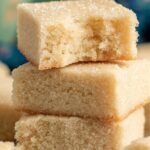
Homemade Shortbread Cookies Recipe
- Prep Time: 15 minutes
- Cook Time: 45 minutes
- Total Time: 2 hours
- Yield: 24 cookies
- Category: Dessert
- Method: Baking
- Cuisine: British
Description
This classic shortbread recipe delivers rich, buttery, and tender cookies with a delicate crumb. Made with simple ingredients like butter, sugar, and flour, these melt-in-your-mouth treats are perfect for any occasion. The addition of cornstarch ensures a tender texture, while chilling the dough prevents spreading for perfectly shaped squares.
Ingredients
Shortbread
- 2 cups salted butter (454g), softened
- 1 cup granulated sugar (225g), plus more for topping
- 1 tablespoon vanilla bean paste or extract
- 5 cups all-purpose flour (670g), spooned and leveled
- ⅓ cup powdered sugar (45g)
- 2 tablespoons cornstarch (18g)
- ¼ teaspoon salt
Topping
- 2 tablespoons granulated sugar or more if desired
Instructions
- Prepare baking pan: Line a 9×13-inch metal baking pan with parchment paper and set aside.
- Cream butter and sugar: In a large mixing bowl, cream together 2 cups salted butter, 1 cup granulated sugar, and 1 tablespoon vanilla bean paste for 2 minutes, scraping down the sides halfway through to ensure even mixing.
- Mix dry ingredients: In a separate large bowl, whisk together 5 cups all-purpose flour, ⅓ cup powdered sugar, 2 tablespoons cornstarch, and ¼ teaspoon salt until well combined.
- Combine mixtures: Add the flour mixture to the butter mixture in three parts, mixing briefly after each addition just until incorporated. The dough will be slightly crumbly but should hold together.
- Press dough into pan: Transfer the dough into the prepared baking pan and press it evenly to cover the bottom completely.
- Prick dough surface: Use a fork to prick the entire surface of the dough to release steam and prevent bubbles during baking.
- Chill dough: Refrigerate the dough for 30 minutes to firm it up; this helps maintain shape while baking.
- Preheat oven: With 15 minutes remaining in chilling, preheat the oven to 325°F (163°C).
- Bake: Bake the shortbread for 45 minutes or until the edges and top are just turning golden brown.
- Add topping: Immediately upon removing from the oven, sprinkle 2 tablespoons of granulated sugar evenly over the top while still warm.
- Cool and cut: Transfer the pan to a wire rack to cool slightly, then use a sharp knife to gently cut into 24 squares. Cut gently to avoid damaging the parchment paper or pan.
- Cool completely: Allow the shortbread to cool completely before lifting out of the pan and serving.
Notes
- If using unsalted butter instead of salted, add an additional ¼ teaspoon salt to the recipe for balanced flavor.
- For the best flavor and texture, use a European-style butter such as Kerrygold or Finlandia.
- Pricking the dough surface before baking helps prevent air bubbles and ensures an even texture.
- Shortbread is easier to cut while still warm; avoid cutting too hard to prevent tearing the parchment paper.
- Chilling the dough is essential to prevent spreading and achieve the proper texture.
Nutrition
- Serving Size: 1 cookie
- Calories: 220 kcal
- Sugar: 13 g
- Sodium: 90 mg
- Fat: 14 g
- Saturated Fat: 9 g
- Unsaturated Fat: 4 g
- Trans Fat: 0 g
- Carbohydrates: 22 g
- Fiber: 0.5 g
- Protein: 2 g
- Cholesterol: 40 mg



Leave a Reply